
Whose land is this? The Shasta, Karuk and Quartz Valley peoples of Scott Valley
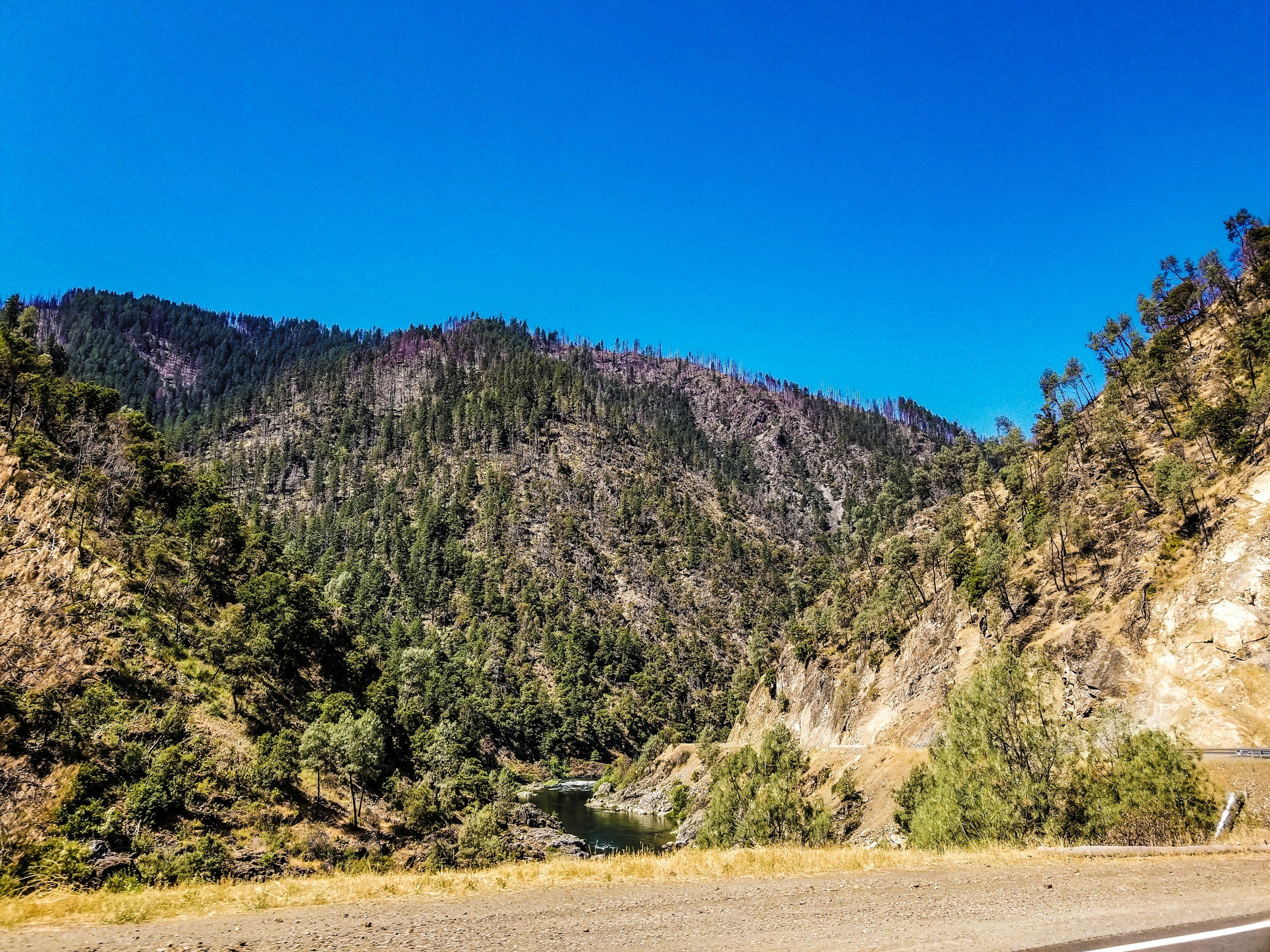
Every morning the light comes over the Marble Mountains and lands on the oaks at Blossom, and it is easy to feel like this valley is quiet and new. It is neither. Scott Valley has been home to Indigenous people for thousands of years, and their nations are very much alive here today: governing, restoring rivers, teaching language and, this year, bringing a vast stretch of the Scott River headwaters home. We wanted to understand the land we live on, so we did our homework. Here is what we learned.
Shasta homeland
Scott Valley lies within the ancestral homeland of the Shasta people. Early ethnographers recorded a distinct Scott Valley band of the Shasta, with villages along the Scott River and near where Etna, Fort Jones and Scott Bar stand now. The Shasta Indian Nation describes Shasta villages along the Klamath, Shasta, Salmon and Scott Rivers, with family dwellings, a larger gathering house and a sweat house at the heart of village life.
Downriver to the west is the homeland of the Karuk people, along the Klamath and Salmon Rivers. Today Shasta, Karuk and other Native families live and work across this valley, including members of the Quartz Valley Indian Community just outside Fort Jones.
A treaty signed here, and never honored
In 1850, gold was found at Scott Bar, and the valley changed almost overnight. Miners and settlers poured in, and the years that followed brought violence and displacement. The California Native American Heritage Commission's Northern Goldfields timeline records killings of Native people in Scott's Valley in 1852 and 1853, part of a much larger toll across the region.
On November 4, 1851, at a camp in Scott Valley, Shasta headmen signed a treaty with the United States. It would have set aside a reservation here in the valley. Then, on July 8, 1852, the U.S. Senate rejected it, along with all seventeen other treaties negotiated with California tribes, and ordered them kept secret. The secrecy was lifted only in 1905. You can read the record in the University of California's study of the eighteen unratified treaties.
What that means is worth saying plainly. These lands were never ceded by a ratified treaty. They were taken through the Gold Rush, violence and displacement, and the people who signed in good faith never received what was promised.
Sovereign nations, thriving today
Here is the part we most want you to know: the story did not end there. Tribes in this region are sovereign nations, with their own governments, and they are doing remarkable work.
The Quartz Valley Indian Community. A sovereign, federally recognized tribe whose reservation sits on Shackleford Creek, a tributary of the Scott River, a short drive from Etna. Its original members came from Shasta and Karuk culture groups. The federal government terminated the tribe in 1967, and it fought its way back, restored in 1983. Today Quartz Valley runs language, basketry and culture programs, a culture camp, and water and salmon festivals.
And this summer, something historic. In July 2026 the State Water Board approved financing for the tribe to bring back nearly 40,000 acres of the Scott River headwaters, working with the Trust for Public Land. The land borders the Marble Mountain and Russian Wilderness. "The return of the Scott River Headwaters Project lands to the Quartz Valley Indian Reservation marks a truly historic moment," Chairman Leonard Lincoln said in the Water Board's announcement. The mountains you see from our garden are part of that story.
The Karuk Tribe. A federally recognized, sovereign nation whose homeland runs along the Klamath and Salmon Rivers. The Karuk Tribe carries on its world renewal ceremonies, known as Pikyávish, a word described as meaning "to fix it." These are sacred, and we will leave the details to the Karuk themselves.
The Shasta Indian Nation. The Shasta Indian Nation is not federally recognized, and it continues to work to restore its homelands. After the four dams on the Klamath River came down in 2024, the state announced that about 2,800 acres at Kikacéki, the former Copco Lake area, would return to the Nation, which is now restoring the land. With the dams gone, salmon have begun returning upriver, and Shasta, Karuk, Yurok and Klamath leaders all celebrated the moment together.
What this land teaches
We are guests here, still learning, but a few lessons come through clearly in what the tribes share publicly:
Renewal is a practice, not an event. A ceremony that means "to fix it" is a beautiful way to think about rest, too. You do not wait for things to break; you tend them, every year.
Rivers and salmon are relatives. The return of the salmon to the Klamath shows what is possible when people fight for a river for decades and refuse to give up.
Care for the land is active. Karuk people have long used fire and careful harvest to keep forests and food sources healthy, a reminder that stewardship means participation.
Sovereignty is joy. Language classes, basket weaving, salmon festivals, land coming home: this is living culture, not history.
How to visit with respect
Learn from the tribes directly: Quartz Valley Indian Community, the Karuk Tribe and the Shasta Indian Nation.
Leave cultural sites and objects where they are, and do not go looking for ceremonial places. As Sami Jo Difuntorum of the Shasta Indian Nation has put it, "We don't want our cultural resources disturbed."
Support tribal programs and Native-owned businesses when you can, and follow tribes' own news for public events.
On the river, leave no trace. Clean water and healthy salmon are the whole point.
We are sharing this with the tribes named here and welcome their corrections; we will update this page with anything they would like added or changed.
Come stay, and see the valley with new eyes. See open dates and prices for your stay at Blossom Sanctuary, and join the Orbit for letters from the house, with 20% off a first stay booked on our website as your welcome gift.